A bottle capping machine is one of the last steps in a packaging line, but a poorly matched one can undo all the efficiency gained upstream inconsistent torque, leaks, or frequent jams quickly become the bottleneck for the entire operation. This guide helps manufacturers and packagers understand the main types of bottle capping machines, what actually determines a good fit for your product, and what to check before buying, so your capping equipment keeps pace with the rest of your line instead of holding it back.
What a Bottle Capping Machine Does
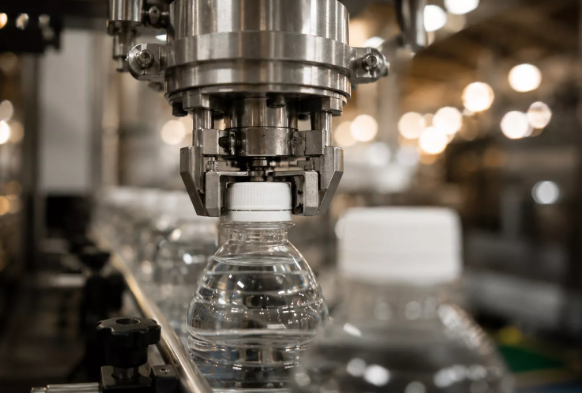
A bottle capping machine applies and secures a closure onto a filled bottle, typically by threading (for screw caps), pressing (for snap or press-fit caps), or a combination of both. Beyond simply placing the cap, quality capping equipment applies consistent, controlled torque or pressure to ensure a proper seal without damaging the cap, bottle neck, or any internal dispensing mechanism.
See also: Ficus Bonsai Tree for Sale: Everything to Know Before You Buy
Main Types of Bottle Capping Machines
Chuck Capping Machines
Use a rotating chuck head that grips each cap individually and applies precise, controlled torque. Well suited to closures where torque consistency matters most, including caps with pour spouts, flip-tops, or dispensing mechanisms sensitive to over-tightening.
Spindle Capping Machines
Use continuously rotating belts or discs on either side of the bottle to spin the cap into place as bottles move through the line. Generally faster than chuck systems, making them a common choice for high-speed lines running standard screw caps without complex internal mechanisms.
Snap Capping Machines
Apply downward pressure to snap-fit or press-on closures rather than using rotational torque, relevant for caps designed to seal through a press-fit mechanism rather than threading.
ROPP (Roll-On Pilfer-Proof) Capping Machines
Roll aluminum caps onto the bottle neck and simultaneously form tamper-evident threads, commonly used for spirits, wine, and certain pharmaceutical products where tamper evidence is a regulatory or brand requirement, an area shaped in the US by expectations from the Consumer Product Safety Commission (CPSC).
Comparing Bottle Capping Machine Types
| Machine Type | Best For | Torque Control | Typical Speed |
| Chuck capper | Complex closures, dispensing caps | High, individualized | Moderate |
| Spindle capper | Standard screw caps | Moderate, continuous | Fast |
| Snap capper | Press-fit/snap closures | N/A (pressure-based) | Fast |
| ROPP capper | Tamper-evident aluminum caps | Specialized rolling mechanism | Moderate-Fast |
Key Factors to Evaluate Before Buying a Bottle Capping Machine
Cap and Closure Type Compatibility
Confirm the machine is designed for your specific closure style ,a machine built for simple screw caps may not handle dispensing pumps, sprayers, or ROPP aluminum caps without significant modification.
Torque Control and Consistency
Over-tightening can crack caps or damage internal mechanisms, while under-tightening risks leaks during shipping and storage. Look for machines with adjustable, repeatable torque settings and ideally built-in torque verification, consistent with quality expectations under FDA Good Manufacturing Practice guidelines for food, beverage, and pharmaceutical production.
Bottle Size and Shape Range
Confirm the machine’s adjustable range covers your current bottle sizes and shapes, as well as any planned product line extensions, to avoid needing separate equipment for future SKUs.
Changeover Time
If your line runs multiple bottle sizes or cap types, ask specifically about changeover time and tooling requirements, since this significantly affects overall line productivity for mixed-production operations.
Integration With Existing Line Equipment
Confirm the capping machine can integrate smoothly with your existing filling and labeling equipment in terms of conveyor speed, bottle handling, and overall line synchronization.
Typical Bottle Capping Process
Filled Bottle InfeedCap PlacementCapping Head -Chuck/Spindle/Snap/ROPPTorque/Seal VerificationReject Station – if out ofspecFinished Bottle Output
Buyer guidance from industry groups such as PMMI generally recommends validating torque and seal consistency at this verification stage before scaling up full production runs, while machinery build quality across all four capping types is typically benchmarked against safety standards maintained by ISO.
Common Buying Mistakes to Avoid
Choosing a Machine Type Before Confirming Closure Compatibility
It’s tempting to select based on speed or price first, but a spindle capper applied to a torque-sensitive dispensing cap can cause more product damage and rework than a slower, more precise chuck capper. Confirm mechanism compatibility with your actual closure before comparing speed or cost.
Overlooking Changeover Costs for Multi-SKU Lines
Operations running several bottle sizes or cap types sometimes discover that changeover tooling wasn’t included in the original quote. Confirm tooling costs for every format you currently run, not just your primary SKU, before finalizing a purchase.
Skipping Torque Verification on Lower-Cost Machines
Basic machines without integrated torque or seal verification can save money upfront but shift quality control entirely to manual spot-checking, which is harder to scale consistently as production volume grows.
Matching Machine Type to Your Bottling Line Priorities
Operations prioritizing raw throughput over closure complexity, such as standard beverage bottling, generally get the best value from spindle cappers running at high continuous speed. Lines handling more delicate or dispensing closures ,pour spouts, flip-tops, or trigger mechanisms ,typically see better long-term results from chuck cappers despite the moderate speed tradeoff, since the reduced product damage and rework more than offsets the difference in cycle time. For brands where tamper evidence is central to the product category, such as spirits or certain pharmaceuticals, ROPP capping remains the standard choice regardless of throughput considerations, since it’s often a regulatory or category expectation rather than an optional feature.
Choosing the Right Bottle Capping Machine
The right bottle capping machine comes down to matching mechanism type to your specific closure, confirming torque control meets your product’s sensitivity, and making sure the equipment integrates smoothly with your existing line. Whether you need a chuck capper for delicate dispensing caps, a spindle capper for high-speed standard screw caps, or a ROPP capper for tamper-evident presentation, testing with your actual bottle and cap combination before purchasing remains the most reliable way to confirm a good fit.