Before you add a ficus bonsai tree to your cart, it helps to understand what you’re actually paying for. A tree’s age, training history, and species variety affect price and long-term care needs far more than its current size alone, and skipping this understanding is one of the most common reasons new buyers end up disappointed.
This guide gives prospective buyers a complete overview of what a “ficus bonsai tree for sale” listing actually represents, covering species differences, the real factors behind pricing, and realistic post-purchase care expectations, so you can buy with confidence and set your new tree up for long-term success from day one.
Understanding What “Ficus Bonsai” Actually Means
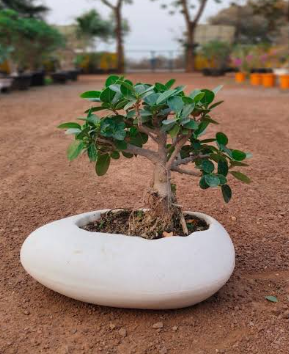
“Ficus bonsai” isn’t a single plant. It’s a broad category covering several species within the Ficus genus that are commonly trained as bonsai, most notably Ficus retusa, Ficus microcarpa (frequently labeled “Ginseng Ficus” for its thick, bulbous exposed roots), and Ficus benjamina, the weeping fig. Each of these has a slightly different growth habit, leaf size, and aerial root development, and those differences directly affect both the tree’s appearance and its price tag.
The Real Factors That Determine Price
Age and Training History
A young ficus cutting trained into a basic bonsai shape within a year or two will cost far less than a specimen developed over five to ten-plus years, with established trunk taper, refined branch structure, and mature nebari, or surface roots. Age and training time are the single biggest price drivers in the ficus bonsai market.
Trunk Thickness and Movement
Thicker, more dramatically shaped trunks take significantly longer to develop, and that time commands a higher price. Trunk thickening happens slowly and can’t be rushed without sacrificing the overall quality and health of the tree, which is exactly why mature, thick-trunked specimens sell at a premium.
Pot Quality
Trees sold in high-quality ceramic bonsai pots, particularly handmade or imported pieces, will cost noticeably more than the same plant sitting in a basic plastic training pot, even when the tree itself is otherwise identical in age and quality.
Species Rarity
Common varieties like standard Ficus retusa are widely available and reasonably priced, while less common variegated or specialty cultivars typically command a premium simply due to limited availability.
What Affects Long-Term Care Difficulty
| Factor | Easier to Manage | More Demanding |
| Species | Ficus retusa, Ficus microcarpa | Variegated or specialty cultivars |
| Light requirement | Tolerates moderate indoor light | Needs consistently bright light |
| Watering sensitivity | Forgiving of some inconsistency | Requires precise, regular schedule |
| Pruning needs | Vigorous, forgiving regrowth | Slower recovery from pruning errors |
| Root/soil setup | Proper bonsai soil already in place | Needs immediate repotting into bonsai substrate |
What to Expect After Purchase
The Initial Adjustment Period
It’s common for a ficus bonsai to drop some leaves in the first few weeks after a location change, including after being shipped or brought home from a nursery. This is generally a stress response to changed light and humidity conditions rather than a sign of a dying tree, though prolonged or severe leaf loss deserves closer attention and possibly a change in care approach.
Establishing a Watering Routine
Rather than watering on a fixed schedule, most experienced growers recommend checking soil moisture directly and watering once the top layer of soil begins to dry out, rather than sticking to a strict calendar. Indoor humidity and light levels vary too much from home to home for a one-size-fits-all schedule to work reliably.
Getting Light Positioning Right
Ficus bonsai generally do best in bright, indirect light, such as near an east- or south-facing window. Direct, intense afternoon sun through glass can sometimes scorch the leaves, while insufficient light leads to leggy growth and gradual leaf drop over time. Finding that middle ground is one of the most important things you can do for a newly purchased tree.
The First Repotting Timeline
If your tree arrives already in proper bonsai soil and an appropriately sized pot, repotting isn’t urgent. If it arrives in generic potting soil, most experienced growers recommend repotting into a well-draining bonsai mix during the following growing season, generally spring, rather than immediately during an already stressful transition period.
A Realistic Growth and Development Timeline
Understanding the general timeline ahead of you helps set expectations from the start. In the first one to four weeks, your focus should be purely on acclimation: letting the tree adjust to its new environment while you establish a consistent watering and light routine. Through the first full growing season, the priority shifts to monitoring new growth and confirming the tree has settled in well. From there, pruning and shaping typically begin as needed once the tree shows healthy, active growth, followed by ongoing seasonal maintenance that continues for the life of the tree. Buyers who go in expecting this gradual timeline, rather than immediate dramatic results, tend to have far more successful long-term outcomes.
Verifying Species and Care Claims Before You Buy
Because “ficus bonsai” listings can vary so much in accuracy, it’s worth spending a few minutes on basic ficus species verification before you commit to a purchase, particularly when buying from a seller you’re not familiar with. Comparing a listing’s claimed species against known characteristics like leaf shape, root style, and typical growth rate can help confirm you’re getting what you’re paying for, rather than a generic “ficus bonsai” label applied loosely to whatever stock a seller happens to have. This kind of ficus species verification matters just as much for care planning as it does for authenticity, since watering sensitivity, light needs, and pruning frequency all shift somewhat depending on the exact variety you end up with.
Setting Realistic Long-Term Expectations
A ficus bonsai is not a static decoration; it’s a living plant that will continue changing for as long as you own it. Trunk taper deepens, nebari becomes more pronounced, and foliage density shifts based on how consistently you prune and care for the tree over months and years, not days. Buyers who understand this going in tend to be far more satisfied with their purchase, because they’re not expecting a young, developing tree to look like a decades-old specimen, and they’re not mistaking normal acclimation stress for a sign that something has gone wrong.
See also: When Does a Data Room Become Essential for Business Transactions
Final Thoughts
Buying a ficus bonsai is as much about understanding what you’re purchasing as it is about finding the right tree. Age, training history, trunk development, and species all combine to determine both price and long-term care difficulty, and going in with realistic expectations about the adjustment period, watering routine, and growth timeline will make the difference between a tree that thrives in your home and one that struggles unnecessarily. Take the time to verify what you’re buying, understand its specific needs, and commit to the gradual, ongoing care a living bonsai actually requires, and you’ll set yourself up for years of enjoyment with your new tree.