Introduction
As modern communication networks continue to expand, fiber optic infrastructure has become the backbone of reliable data transmission. Utility companies, internet service providers, telecommunications operators, and smart grid developers increasingly depend on aerial fiber solutions that deliver high performance while minimizing installation complexity. Among the most trusted technologies in this field, adss cable stands out as a versatile and cost-effective solution for long-distance aerial deployments.
This comprehensive guide explores ADSS cable specifications, key applications, selection criteria, installation considerations, and industry best practices to help network planners and engineers choose the most suitable solution for their projects.
What Is an ADSS Cable?
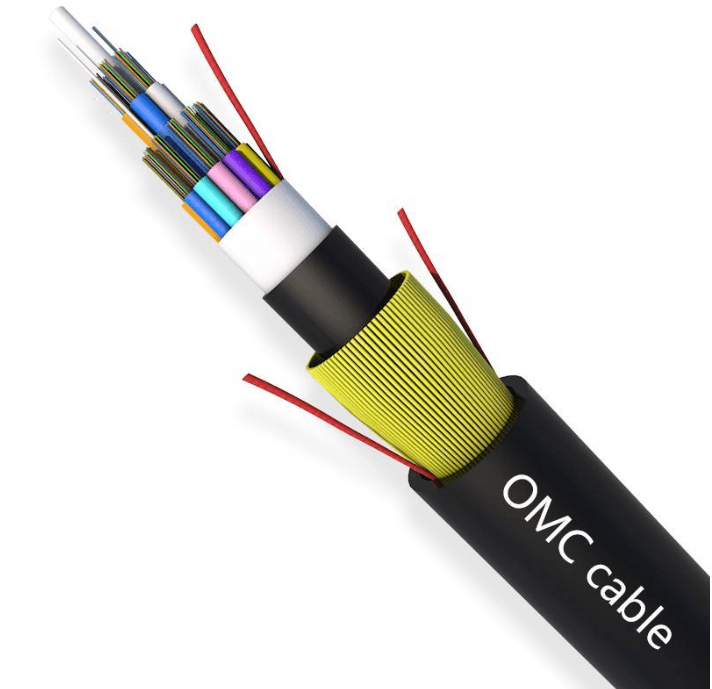
ADSS (All-Dielectric Self-Supporting) cable is a fiber optic cable designed for aerial installation without requiring a separate messenger wire or metallic support structure. Unlike traditional aerial fiber cables, ADSS cables utilize advanced aramid yarn strength members and dielectric materials to support their own weight over long spans.
Because the cable contains no conductive metal components, it can be safely deployed alongside electrical transmission and distribution infrastructure. This unique characteristic makes ADSS cable a preferred choice for utility communication networks and power grid modernization projects.
Key characteristics include:
- Self-supporting aerial design
- Non-metallic construction
- High tensile strength
- Excellent resistance to electromagnetic interference
- Long service life
- Low maintenance requirements
- Superior environmental durability
ADSS Cable Construction and Components
Understanding cable construction helps network designers evaluate performance and suitability for specific environments.
Optical Fibers
The core of the cable contains optical fibers responsible for transmitting data signals. Depending on network requirements, ADSS cables may contain:
- 2 to 288 fibers or more
- Single-mode fibers
- Multi-mode fibers
- High-density fiber configurations
Single-mode fibers are most commonly used for telecommunications and long-distance communication systems.
Loose Tube Design
Many ADSS cables utilize a loose tube structure where fibers are protected inside gel-filled or dry water-blocked tubes. This design minimizes stress on the fibers during installation and operation.
Strength Members
Aramid yarns serve as the primary strength members. These high-performance synthetic fibers provide exceptional tensile resistance while maintaining lightweight properties.
Water Blocking Materials
Water ingress protection is essential for outdoor cable longevity. ADSS cables commonly incorporate:
- Water-blocking yarns
- Water-swellable tapes
- Dry core technology
- Moisture-resistant compounds
Outer Jacket
The external jacket protects against:
- UV radiation
- Abrasion
- Temperature fluctuations
- Chemical exposure
- Environmental degradation
High-density polyethylene (HDPE) and anti-tracking jackets are commonly used depending on installation conditions.
ADSS Cable Specifications
Selecting the right ADSS cable requires careful evaluation of technical specifications.
Fiber Count
Available fiber counts typically include:
- 12 Fiber
- 24 Fiber
- 48 Fiber
- 72 Fiber
- 96 Fiber
- 144 Fiber
- 288 Fiber
The required capacity depends on current network demands and future expansion plans.
Span Length
Span length refers to the distance between support structures.
Typical classifications include:
| Type | Span Range |
| Short Span | Up to 100 m |
| Medium Span | 100–300 m |
| Long Span | 300–600 m |
| Extra Long Span | 600 m+ |
Longer spans require greater tensile strength and specialized engineering considerations.
Tensile Strength
Tensile performance determines the cable’s ability to withstand installation and operational loads.
Factors affecting tensile requirements include:
- Span distance
- Wind loading
- Ice accumulation
- Installation tension
- Environmental conditions
Temperature Range
Quality ADSS cables typically operate between:
- Installation: -20°C to +60°C
- Storage: -40°C to +70°C
- Operation: -40°C to +85°C
Jacket Type
Two common jacket options include:
Standard HDPE Jacket
Suitable for low and medium voltage environments.
Anti-Tracking Jacket
Recommended near high-voltage power lines where electrical tracking may occur.
Major Applications of ADSS Cable
The versatility of ADSS technology supports numerous network deployments.
Power Utility Communication Networks
Electric utilities often install adss cable on existing transmission and distribution infrastructure to establish private communication networks without requiring additional support hardware.
Applications include:
- SCADA systems
- Smart grid communications
- Substation connectivity
- Remote monitoring
- Protection systems
Telecommunications Networks
Telecom operators utilize ADSS cable for:
- Backbone networks
- Rural broadband expansion
- Metropolitan fiber deployment
- Long-haul communication routes
Internet Service Providers
ISPs benefit from the cable’s ease of deployment and cost efficiency when expanding broadband coverage.
Railway Communication Systems
Railway operators use ADSS cable to support:
- Signal communication
- Operational monitoring
- Passenger information systems
- Surveillance infrastructure
Oil and Gas Facilities
Industrial communication networks often rely on ADSS solutions because of their durability in challenging outdoor environments.
Advantages of ADSS Cable
Easy Installation
Since no messenger wire is required, installation becomes faster and more economical.
Electrical Isolation
The dielectric construction eliminates conductivity concerns near energized power infrastructure.
Reduced Infrastructure Costs
ADSS cable can often be installed on existing poles and towers, minimizing additional construction expenses.
Environmental Durability
The cable is designed to withstand:
- UV exposure
- High winds
- Ice loading
- Rain
- Humidity
- Extreme temperatures
Long-Term Reliability
Properly selected and installed ADSS cables frequently provide decades of dependable service.
How to Select the Right ADSS Cable
Choosing the ideal cable involves evaluating several critical factors.
Assess Network Capacity Requirements
Determine:
- Current bandwidth needs
- Future growth projections
- Redundancy requirements
- Fiber reserve capacity
Higher fiber counts may reduce future upgrade costs.
Evaluate Span Length
Span distance significantly influences cable design.
Long spans require:
- Enhanced tensile strength
- Optimized sag characteristics
- Specialized hardware
Analyze Environmental Conditions
Consider local factors such as:
- Wind speed
- Ice loading
- Temperature extremes
- UV exposure
- Coastal corrosion risks
Consider Voltage Levels
Electrical field exposure plays a major role in jacket selection.
Anti-tracking jackets are generally recommended for installations near higher voltage transmission lines.
Review Installation Route
Conduct a detailed route survey to identify:
- Pole spacing
- Clearance requirements
- Crossing obstacles
- Existing infrastructure compatibility
Installation Best Practices
Proper installation directly impacts long-term performance.
Maintain Recommended Tension
Excessive pulling force can damage fibers and reduce service life.
Always follow manufacturer installation guidelines.
Use Appropriate Hardware
Compatible hardware ensures proper load distribution and cable protection.
Common accessories include:
- Suspension clamps
- Dead-end clamps
- Vibration dampers
- Pole brackets
Observe Bend Radius Limits
Sharp bends can increase optical attenuation and damage fibers.
Maintain recommended minimum bend radius throughout installation.
Monitor Environmental Conditions
Avoid installation during severe weather whenever possible.
Wind, rain, and ice can significantly affect installation safety and quality.
Common Challenges and Solutions
Wind-Induced Vibration
Strong winds can create cable oscillation.
Solutions include:
- Proper tensioning
- Vibration dampers
- Optimized span design
Electrical Tracking
High-voltage environments may increase tracking risks.
Using anti-tracking jackets significantly improves performance.
Excessive Sag
Improper cable selection may lead to excessive sagging.
Engineering calculations should account for:
- Span length
- Temperature variations
- Loading conditions
Mechanical Damage
Routine inspections help identify:
- Abrasion
- Hardware wear
- Environmental damage
- Unauthorized interference
See also: vial labeling machine Maintenance Tips for Long-Term Performance
Future Trends in ADSS Cable Technology
Fiber infrastructure continues to evolve rapidly.
Emerging trends include:
- Higher fiber density designs
- Improved anti-tracking materials
- Enhanced weather resistance
- Smart monitoring capabilities
- Lightweight construction technologies
As broadband demand increases worldwide, ADSS cable solutions will remain a critical component of modern communication networks.
Conclusion
ADSS cable has become one of the most reliable and cost-effective aerial fiber optic solutions available today. Its all-dielectric construction, exceptional mechanical performance, and suitability for power utility environments make it an ideal choice for telecommunications providers, utility companies, railway operators, and industrial network developers.
Successful deployment depends on understanding key specifications such as fiber count, span length, tensile strength, environmental requirements, and voltage exposure. By carefully evaluating these factors and following industry best practices, organizations can maximize network reliability while minimizing installation and maintenance costs.
For long-distance aerial fiber deployments requiring durability, flexibility, and electrical isolation, adss cable remains a proven solution capable of supporting future communication demands for decades.
Frequently Asked Questions (FAQs)
What does ADSS stand for?
ADSS stands for All-Dielectric Self-Supporting cable, a type of fiber optic cable designed for aerial installation without metallic support elements.
Where is ADSS cable commonly used?
It is widely used in power utility networks, telecommunications infrastructure, railway communication systems, broadband deployments, and industrial communication networks.
What is the advantage of a non-metallic design?
The dielectric construction prevents electromagnetic interference and allows safe installation near energized power lines.
How long can an ADSS cable span?
Depending on design and environmental conditions, ADSS cables can support spans ranging from less than 100 meters to more than 600 meters.
What fiber counts are available in ADSS cable?
Common options include 12, 24, 48, 72, 96, 144, and 288 fibers, with custom configurations available for specialized projects.
Is ADSS cable suitable for harsh weather conditions?
Yes. High-quality ADSS cables are engineered to resist UV exposure, wind loading, ice accumulation, moisture, and temperature extremes.
How long does ADSS cable typically last?
When properly selected, installed, and maintained, ADSS cable systems can provide reliable service for 25 years or more.
What factors should be considered when selecting ADSS cable?
Key considerations include fiber count, span length, environmental conditions, voltage exposure, installation route, tensile requirements, and future network expansion plans.