An unclear scan can slow an inspection line, hide a defect, or force a technician to repeat a test. A high-voltage X-ray system must deliver dependable power, control exposure, and capture detail. This matters when results guide time-sensitive operational decisions.
Modern equipment is not simply about stronger images. For technicians, engineers, and equipment buyers, understanding these parts makes it easier to ask questions before selecting a system. It matches the source, generator, detector, and controls to the task across medical, industrial, security, and analytical environments.
The Core Components That Shape Modern Image Quality
An X-ray system works best when its power source and imaging components operate together. Each part influences the final image.
1. The X-Ray Tube And Its Role
The X-ray tube produces radiation to examine an object or body. Electrical energy releases electrons from the cathode; they travel toward the anode, where they generate X-rays. These pass through the subject and reach a detector, creating an image that reflects differences in density and thickness. Tube design, operating conditions, and cooling influence performance.
- Tube Design: Select a configuration suited to the required imaging task.
- Thermal Control: Manage heat during repeated or extended operation.
- Output Consistency: Maintain dependable performance between scans.
A suitable tube supports clear imaging and dependable operation.
2. The Generator And Power Regulation
The generator supplies the electrical conditions the tube needs. Voltage influences penetration, while current and exposure time affect output. Stable regulation helps prevent uneven images and repeat scans.
- Voltage Selection: Match settings to the material or subject being examined.
- Current Control: Support the required image intensity.
- Exposure Timing: Keep scans consistent and appropriate for the task.
Reliable regulation supports repeatable results and fewer interruptions.
3. The Detector And Image Processing
After X-rays pass through the subject, a detector converts the signal into image data. Digital processing adjusts contrast and displays details. Detector sensitivity and resolution affect visibility, while software shapes how information is presented and stored. Select the source and detector as one imaging chain. That is why system specifications should be reviewed as a connected set, rather than selected independently from separate product catalogues.
- Detector Resolution: Choose detail levels appropriate to the inspection.
- Signal Quality: Limit noise that can obscure useful information.
- Data Handling: Ensure images can be reviewed and stored efficiently.
Together, these components produce information that supports decisions.
4. Cooling, Shielding, And System Controls
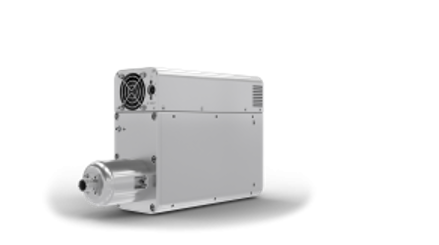
Reliable imaging needs more than electrical output. Cooling manages heat, shielding supports radiation safety, and control electronics coordinate operation. These features matter in demanding environments, while compact designs simplify integration where space is limited.
- Cooling: Use an approach suited to expected operating cycles.
- Shielding: Follow the safety requirements of the complete system.
- Controls: Coordinate settings, monitoring, and operating sequences.
Good design balances performance with practical operation.
Engineering Stable Output For Demanding X-Ray Systems
Applications place different demands on an X-ray source. Assess power, size, duty cycle, and integration before selecting components.
1. Matching Power To The Application
A baggage scanner, medical imaging unit, and industrial inspection system have different needs. Penetration, scan speed, image detail, and operating schedules vary. Selecting a high-voltage X-ray solution starts with the application, not the highest output. Define the material, object size, throughput, and image requirements first.
- Medical Imaging: Prioritise suitable image quality and exposure management.
- Industrial Testing: Consider material thickness and inspection depth.
- Security Screening: Balance throughput with dependable image detail.
Clear requirements improve comparisons and help prevent redesign.
2. Designing For Continuous Operation
Production and security equipment may run for long periods. Components must handle workloads without unstable output or excess heat. Consider duty cycle, cooling, service access, and installation conditions. Realistic testing can reveal issues a short demonstration misses.
- Duty Cycle: Confirm the expected frequency and duration of operation.
- Thermal Performance: Check that heat can be managed during sustained use.
- Service Access: Allow technicians to reach components when maintenance is required.
Realistic planning supports predictable performance.
3. Making Integration Straightforward
OEMs need components that fit mechanical, electrical, and control architectures. A source may perform well alone but create challenges if its dimensions, interfaces, or communication needs do not match. Early engineering coordination reduces installation changes and development time.
- Physical Fit: Confirm dimensions, mounting, and cooling clearances.
- Electrical Interfaces: Match input and output requirements.
- Control Compatibility: Review signals and communication needs before integration.
Early discussions identify constraints before production.
4. Evaluating Reliability Beyond Specifications
A datasheet is only a starting point. Buyers should consider consistency, environmental conditions, documentation, technical support, and service availability. Reliability also depends on system compatibility and maintenance.
- Operating Conditions: Check temperature, vibration, and installation requirements.
- Documentation: Review specifications, integration guidance, and safety information.
- Support: Understand the process for technical questions and service requests.
Evaluate ownership, not just power ratings.
Choosing Components For Long-Term System Performance
Choose technology that meets current needs while allowing room for future changes. Careful selection supports smoother integration and consistent system performance.
A procurement process begins with a technical brief covering the application, output, space, workload, cooling, and safety standards. Share it with suppliers and ask how their components fit the design. Request relevant documentation and clarify available testing before approval. This gives teams a consistent basis for comparing options.
Conclusion: Reliable Technology For Consistent Imaging
Consider downtime costs too. A cheaper component may offer poor value if integration is difficult, interventions are frequent, or workload demands exceed its capacity. Discuss maintenance, service arrangements, and product lifecycle before committing, especially when the system supports a production or inspection line. Reviewing these factors alongside VJ X-Ray OEM solutions can help equipment developers assess component compatibility, technical support, and long-term operating requirements before making a procurement decision.
VJ X-Ray develops integrated X-ray sources and high-voltage generators for OEM partners across medical, security, industrial, electronics, food, and analytical applications. Their IXS series combines the power supply, X-ray tube, and control electronics in compact units, while their HVL/HVG generator series offers different voltage and current outputs. They also provide engineering expertise, customisable solutions, and global technical support. Their product range supports equipment developers seeking reliable components for different imaging requirements. By combining integration support, technical expertise, and specialised X-ray technology, they help OEM partners meet specific system requirements.