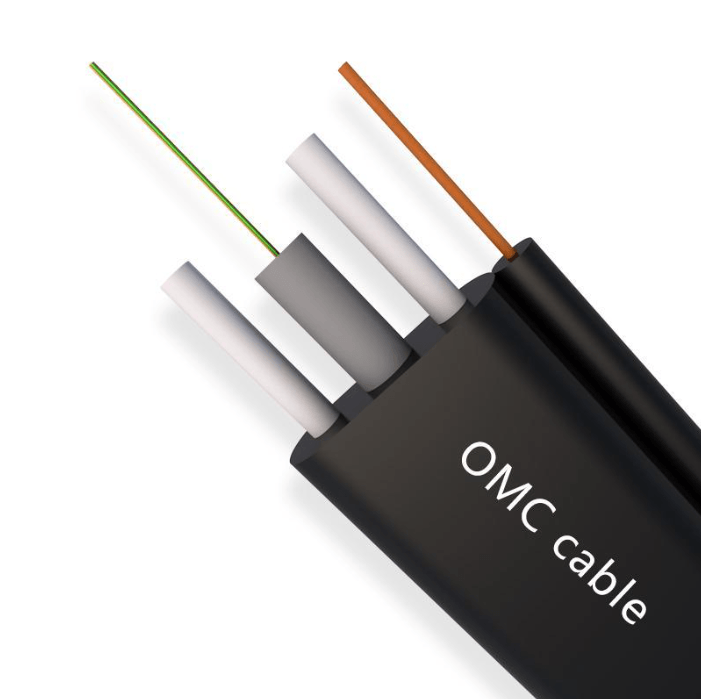
Modern broadband infrastructure depends heavily on reliable fiber connectivity, and choosing the right ftth cable is essential for long-term network performance. As internet demand continues to grow across residential communities, commercial buildings, smart cities, and industrial facilities, fiber-to-the-home solutions have become the backbone of high-speed communication systems. A durable fiber optic deployment not only ensures uninterrupted data transmission but also minimizes maintenance costs, signal loss, and environmental damage over time.
Whether deployed in dense urban apartments, underground duct systems, rural broadband expansion projects, or outdoor aerial installations, advanced fiber solutions must deliver stability, flexibility, and high bandwidth performance. Today’s network engineers and telecom providers prioritize cable durability, low attenuation, flame resistance, and weatherproof construction to support next-generation applications including cloud computing, IoT infrastructure, smart surveillance, and 5G backhaul connectivity.
Why FTTH Cable Is Essential for Modern Networks
A high-quality ftth cable provides the critical connection between service providers and end users. Unlike traditional copper wiring, fiber optic technology offers significantly higher transmission speeds, reduced latency, and superior resistance to electromagnetic interference. This makes fiber networks ideal for bandwidth-intensive applications such as ultra-HD streaming, online gaming, enterprise cloud operations, and remote collaboration platforms.
The growing adoption of smart homes and intelligent industrial automation has further accelerated demand for durable fiber deployment solutions capable of maintaining stable data transmission across diverse operating conditions.
Key Features of Durable FTTH Cable
When selecting fiber optic infrastructure components, network planners evaluate several technical and environmental factors. Premium fiber solutions are designed to provide long-term operational reliability while simplifying installation and maintenance procedures.
High Tensile Strength
Outdoor fiber deployments often face mechanical stress caused by wind, pulling force, or underground installation pressure. Reinforced structural elements such as aramid yarn and steel wire improve tensile resistance and protect delicate optical fibers from damage.
Weather and UV Resistance
External fiber networks must survive harsh environmental exposure including rain, humidity, UV radiation, and temperature extremes. Weather-resistant jackets help preserve signal quality and extend service life in demanding outdoor conditions.
Flame-Retardant Indoor Design
Indoor applications require compliance with strict fire safety regulations. LSZH (Low Smoke Zero Halogen) materials reduce toxic emissions during fire incidents while maintaining cable flexibility for routing through walls, ceilings, and conduits.
Low Signal Attenuation
Efficient optical transmission depends on minimizing signal loss across long distances. Advanced manufacturing techniques ensure low attenuation rates, allowing stable high-speed communication over extended fiber routes.
Flexible Installation Compatibility
Modern network infrastructure projects often involve complex building layouts and challenging installation paths. Flexible cable construction supports easy routing through tight spaces, conduits, risers, and underground ducts without damaging internal fibers.
Indoor FTTH Cable Applications
Indoor fiber installations are increasingly common in residential towers, office complexes, educational institutions, hospitals, and data centers. In these environments, network stability and safety standards are top priorities.
Reliable ftth cable solutions support high-density internet traffic while maintaining organized cable management within structured networking systems. Fiber distribution inside buildings often includes wall-mounted termination boxes, patch panels, and centralized communication cabinets to streamline maintenance and upgrades.
Common indoor deployment applications include:
- Smart home internet connectivity
- IPTV and multimedia streaming systems
- Enterprise LAN infrastructure
- Data center interconnection
- Building automation systems
- Security surveillance networks
- Educational campus communication systems
Indoor fiber deployment also enables seamless scalability for future bandwidth expansion, making it a strategic investment for property developers and internet service providers.
Outdoor FTTH Cable Deployment Solutions
Outdoor environments present far greater challenges for fiber infrastructure. Exposure to environmental stress, moisture intrusion, rodent activity, and physical impact requires specially engineered protective designs.
Telecom contractors frequently use armored and weatherproof ftth cable products for aerial installations, underground trenching, and duct-based deployments. These cables are designed to preserve optical performance even under demanding environmental conditions.
Aerial Fiber Installations
Pole-mounted aerial networks require lightweight yet durable cable structures capable of handling wind load and tension stress. Self-supporting fiber designs improve installation efficiency while reducing additional hardware requirements.
Underground Duct Systems
Underground deployments require strong moisture resistance and crush protection. Water-blocking technology helps prevent signal degradation caused by environmental infiltration and long-term exposure to damp conditions.
Rural Broadband Expansion
Fiber-to-the-home initiatives in rural areas demand long-distance performance with minimal maintenance. High-durability fiber infrastructure supports stable internet connectivity across remote communities and agricultural zones.
The Role of Fiber Optic Technology in Smart Infrastructure
The global transition toward smart cities and intelligent infrastructure has dramatically increased the importance of fiber optic communication systems. From traffic monitoring and public Wi-Fi to cloud-based industrial automation, fiber networks enable high-capacity data transmission with exceptional reliability.
Advanced ftth cable systems now support emerging technologies including:
- 5G mobile backhaul networks
- Smart grid energy systems
- AI-powered surveillance infrastructure
- IoT device ecosystems
- Autonomous transportation systems
- Industrial automation platforms
- Edge computing environments
Fiber connectivity serves as the digital foundation for modern economies, supporting real-time communication and massive data processing demands.
Choosing the Right FTTH Cable for Your Project
Selecting the correct fiber optic cable depends on deployment conditions, environmental exposure, installation complexity, and network scalability requirements. Engineers and procurement specialists typically evaluate the following factors before purchasing:
Installation Environment
Indoor and outdoor applications require different jacket materials, strength members, and environmental protection levels. Matching cable specifications to deployment conditions ensures long-term reliability.
Fiber Count Requirements
Network capacity planning determines the appropriate fiber count. Residential deployments may require fewer fibers, while enterprise campuses and telecom backbones often demand higher-capacity solutions.
Bend Radius Performance
Installations involving tight routing paths require bend-insensitive fiber technology to maintain signal integrity under physical stress.
Compliance Standards
High-quality fiber products should comply with international telecommunications and fire safety standards to ensure performance consistency and regulatory approval.
Maintenance Accessibility
Efficient network management depends on organized installation design and accessible termination points that simplify troubleshooting and future expansion.
See also: Tired of Dim Headlights? Here’s How the Brightest 9005 and H11 LED Bulbs Transform Your Drive
Benefits of Investing in High-Quality FTTH Cable
Businesses and telecom operators that prioritize premium fiber infrastructure often experience lower operational costs and improved customer satisfaction over time. Durable fiber solutions reduce repair frequency, improve network uptime, and support long-term scalability.
Major advantages include:
- Faster internet performance
- Lower latency communication
- Increased bandwidth capacity
- Enhanced environmental durability
- Reduced maintenance expenses
- Long-term investment value
- Better customer experience
- Improved network reliability
Reliable fiber connectivity has become a critical competitive advantage in today’s digital economy, especially for internet service providers and enterprise communication networks.
Future Trends in FTTH Fiber Networks
Global fiber deployment continues to accelerate as governments and private organizations expand broadband accessibility. Emerging trends in fiber optic infrastructure are reshaping the telecommunications industry and creating new opportunities for innovation.
Increased 10G and Multi-Gigabit Deployments
Consumers and businesses increasingly demand ultra-fast internet capable of supporting cloud gaming, AI applications, and high-resolution streaming.
Sustainable Fiber Manufacturing
Environmentally responsible cable production processes are becoming more important as organizations pursue sustainability goals and green infrastructure development.
Higher Network Density
Urban smart city projects require dense fiber deployment to support interconnected digital systems and intelligent public services.
Integration with Wireless Technologies
Fiber infrastructure remains essential for supporting 5G and future wireless communication networks through high-capacity backhaul systems.
AI-Driven Network Monitoring
Advanced analytics and predictive maintenance tools are improving network efficiency and minimizing service interruptions across fiber infrastructure systems.
Installation Best Practices for Long-Term Performance
Proper installation techniques significantly influence the lifespan and performance of fiber optic infrastructure. Even premium cables can experience failures if installation standards are ignored.
Important best practices include:
- Avoid exceeding maximum pulling tension
- Maintain recommended bend radius limits
- Use protective conduits where necessary
- Prevent moisture exposure during installation
- Organize cable routing for easier maintenance
- Use certified splicing and termination methods
- Conduct post-installation optical testing
Professional installation procedures help maximize network stability and reduce operational disruptions over time.
Conclusion
As digital transformation continues across industries and residential communities, dependable fiber infrastructure has become more important than ever. A durable ftth cable solution delivers the speed, reliability, and scalability necessary to support modern communication networks in both indoor and outdoor environments.
From smart homes and enterprise campuses to rural broadband expansion and advanced industrial automation, fiber optic technology provides the backbone for next-generation connectivity. Choosing high-quality fiber infrastructure ensures long-term operational efficiency, lower maintenance costs, and superior network performance in increasingly demanding digital ecosystems.
Organizations investing in reliable fiber deployment today position themselves for future technological growth, higher bandwidth demands, and sustainable communication infrastructure capable of supporting tomorrow’s connected world.
FAQs
What is FTTH cable used for?
FTTH cable is used to deliver high-speed fiber optic internet connectivity directly to homes, offices, and commercial buildings. It supports fast data transmission, low latency communication, and reliable broadband performance.
Can FTTH cable be used outdoors?
Yes, outdoor-rated fiber cables are specifically designed for aerial, underground, and duct installations. These cables feature weather-resistant jackets and protective strength members for environmental durability.
What is the difference between indoor and outdoor FTTH cable?
Indoor fiber cables prioritize flame resistance and flexibility, while outdoor cables focus on moisture protection, UV resistance, and mechanical strength for harsh environmental conditions.
Why is fiber optic cable better than copper cable?
Fiber optic technology provides higher bandwidth, faster speeds, lower signal loss, and better resistance to electromagnetic interference compared to traditional copper wiring.
How long does FTTH cable last?
High-quality fiber optic cables can last 20 to 30 years or more when properly installed and maintained under suitable environmental conditions.
Is FTTH cable suitable for smart city infrastructure?
Yes, fiber optic networks are essential for smart city systems including surveillance, IoT connectivity, traffic management, public Wi-Fi, and 5G communication infrastructure.