Bearings are an essential part of any piece of machinery with a rotating motion. No matter what their application – from motors, through pumps and fans, to turbines – they facilitate smooth operations by reducing friction. Bearing failure is one of the major causes of premature breakdown in industrial applications. There are several methods of increasing the lifespan of the bearings; one of the most effective is dynamic balancing. This technique ensures minimal vibration due to imbalanced weight on the rotating parts. As a result, the bearings do not receive extra loads due to vibration while working.
Dynamic Balancing Reduces Harmful Vibration Levels
Vibration forms one of the main factors for the wear and tear of bearings. With just a slight imbalance of the rotor, there will be increased forces with increased rotation speed, putting bearings under constant mechanical stress, thereby accelerating the rate of their wear. Active balancing involves balancing rotating objects with unequal weight when they rotate, thus eliminating vibrations.
Reduced vibrations mean that the bearings will suffer less from mechanical stresses, thereby increasing their efficiency by making lubrication easier. Also, reduced wear of inner surfaces will ensure that bearings last longer since there will be minimized friction within the equipment.
Proper Balancing Improves Load Distribution
Bearing designs take into account the loads that need to be supported within certain operational parameters. When a rotary part becomes imbalanced, there is an unequal load placed on the assembly, causing additional radial and axial loads. The extra load may exceed the load-carrying capability of the bearing, leading to excessive wear and heating of the bearing.
A balanced part will result in even load distribution throughout the system. Even loading results in smoother operation, and this reduces stress on the bearing and support components. Even load distribution leads to better performance monitoring for the machinery, allowing maintenance teams to track performance accurately and identify potential concerns before they become serious problems.
Identifying the Cause of Premature Failure Leads to Better Solutions
If there is premature failure of the bearing, the replacement of the faulty part does not really solve anything. An analysis will have to be done to see if it was due to vibration, misalignment, contamination, lubrication, or imbalance. The dynamic adjustment process can be used for the diagnosis and fixing of such conditions.
Maintenance professionals frequently analyze vibration patterns and operating data to uncover the root cause of recurring problems. If imbalance is identified as a major factor, organizations should invest in the best dynamic balancing services to restore equipment stability and prevent future failures. Addressing the true source of damage improves maintenance effectiveness and helps create a more reliable operating environment for critical machinery.
Dynamic Balancing Enhances Lubrication Performance
The role played by lubrication cannot be overstated, since it ensures that there is proper functioning of the bearing. Lubrication ensures that there is formation of an oil film that helps to avoid friction among the moving surfaces. Vibrations can be a cause of destruction of the film, and this results in increased chances of metal wear.
Dynamic adjustment will assist in ensuring the proper lubrication of the bearing assembly. This will ensure that the oil film remains intact and prevents degradation. Active balancing makes lubrication of the bearing much easier and reduces the number of times the bearing needs to be relubricated.
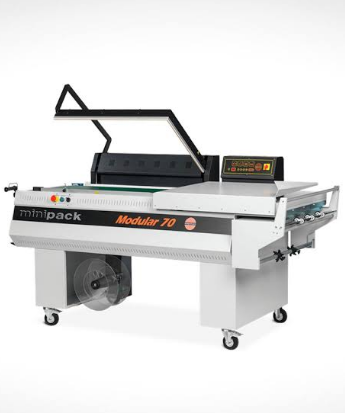
See also: Custom Packaging Machine Manufacturer for Industry Use
Balanced Equipment Extends Overall Machinery Life
There is another advantage of dynamic adjustment besides protecting bearings. The effect of imbalance is felt across many parts of a machine, such as shafts, couplings, seals, and support members. Through the transmission of vibrations, the stress is increased on the above parts, resulting in expensive repair work and loss of time.
In addition, balanced machines run more effectively since there will be less wear in bearings and other machine parts. It is evident that, in the long run, active balancing will result in greater machine efficiency, lower costs in repair, and higher productivity.Dynamic adjustment is an effective strategy for preventive maintenance, which goes a long way in safeguarding bearings against early wear and tear. Balancing plays a critical role through such actions as minimizing vibrations, optimizing load distribution, enabling effective lubrication, uncovering the cause of any failures, and ensuring the longevity of machines. Companies that focus on balancing stand to gain by avoiding downtime, saving on repairs, and improving efficiency. As industries rely more on machines that work under high speeds and heavy loads, balancing is increasingly becoming relevant.