Introduction
In today’s highly competitive industrial landscape, efficiency, precision, and automation define success in production and logistics. Companies across food, beverage, pharmaceutical, cosmetics, and e-commerce sectors are rapidly shifting toward advanced packaging solutions to meet increasing demand and maintain consistent product quality. At the core of this transformation lies the expertise of a packaging machine manufacturer, who designs and delivers customized systems tailored to specific production requirements.
A reliable manufacturer not only provides machinery but also engineers complete packaging ecosystems that optimize speed, reduce operational costs, and improve accuracy. Whether it is automated filling, sealing, labeling, or end-of-line packaging, modern solutions are built to integrate seamlessly into smart factories.
This article explores the role of a custom packaging machine manufacturer, advanced technologies in packaging automation, key industry applications, and how businesses can select the right partner to scale their operations efficiently.
Understanding the Role of a Packaging Machine Manufacturer
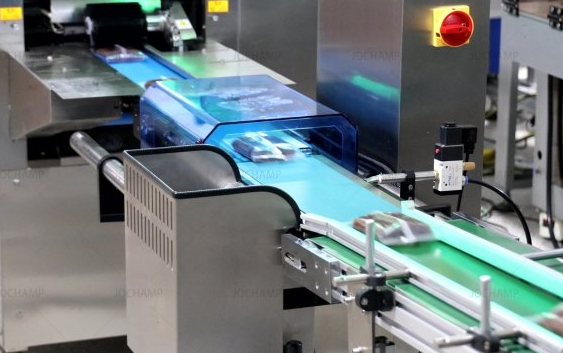
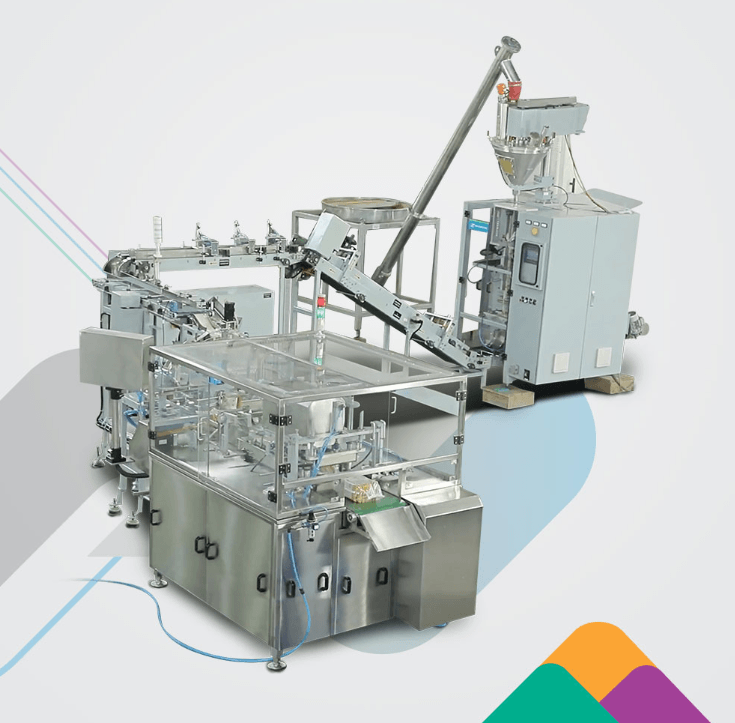
A modern packaging machine manufacturer is no longer limited to producing standalone machines. Instead, they function as industrial solution providers that analyze production needs and design fully integrated packaging lines.
Their responsibilities include:
- Designing customized packaging systems based on product type and industry requirements
- Developing automation solutions for filling, wrapping, sealing, and labeling
- Ensuring compliance with international safety and hygiene standards
- Integrating smart sensors, PLC controls, and IoT-based monitoring systems
- Offering installation, maintenance, and technical support services
In industries where speed and precision are critical, manufacturers must ensure minimal downtime and maximum output. This is achieved through advanced engineering, modular machine designs, and real-time performance optimization systems.
Why Custom Packaging Solutions Matter in Modern Industries
Every industry has unique packaging requirements. For example, food products require hygiene-focused sealing systems, while pharmaceuticals demand high-precision dosing and tamper-proof packaging. A custom approach ensures that machines are designed specifically for these conditions.
Key advantages of custom packaging systems include:
- Improved production efficiency through automation
- Reduced material wastage with precise control systems
- Scalability to support growing production demands
- Product consistency across large batches
- Lower operational costs due to reduced manual labor
A professional packaging machine manufacturer understands these challenges and builds solutions that align with long-term business goals rather than short-term production needs.
Types of Packaging Machines Used in Industry
Modern packaging systems consist of multiple machine types working in coordination. Each machine serves a specific function in the production line.
1. Filling Machines
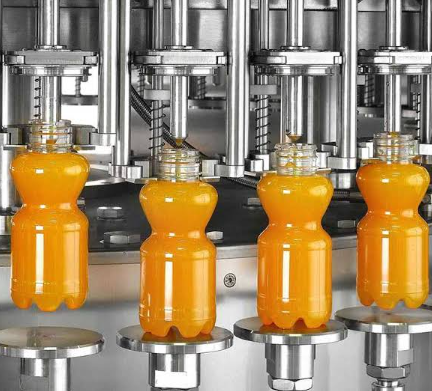
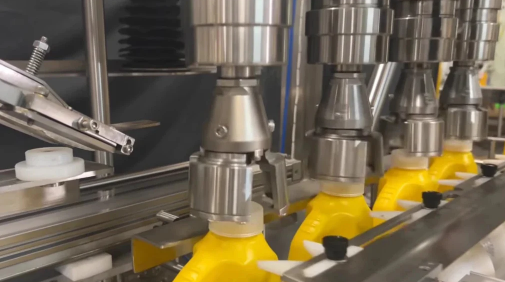
Used for liquids, powders, and granules, filling machines ensure accurate measurement and consistent product output.
2. Sealing Machines
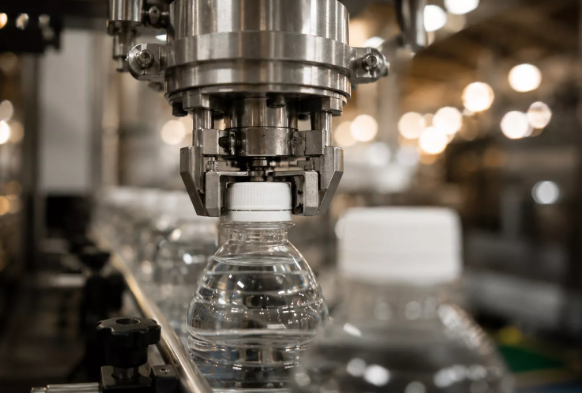
These machines provide airtight sealing for products, extending shelf life and maintaining quality.
3. Labeling Machines
Labeling systems apply branding, product information, and compliance details with high accuracy and speed.
4. Wrapping Machines
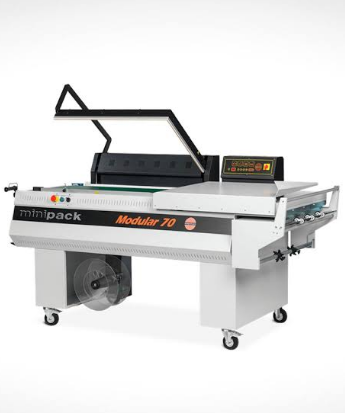
Wrapping machines protect products during storage and transportation using shrink film or stretch film technology.
5. Cartoning and Case Packing Systems
End-of-line automation systems handle grouping, boxing, and palletizing for efficient logistics management.
Each system is engineered to integrate seamlessly, forming a fully automated production line tailored by a skilled packaging machine manufacturer.
Key Industries That Rely on Packaging Automation
Packaging automation plays a crucial role across multiple industries. Each sector benefits differently depending on its operational needs.
Food and Beverage Industry
The food sector relies heavily on hygienic, high-speed packaging systems that preserve freshness and ensure compliance with food safety standards.
Pharmaceutical Industry
Precision is critical in pharmaceutical packaging, where dosing accuracy and tamper-proof sealing are essential.
Cosmetics Industry
Cosmetic packaging requires both aesthetic appeal and functional reliability, including labeling precision and leak-proof sealing.
E-commerce and Logistics
With the rise of online shopping, automated packaging systems streamline order fulfillment and reduce delivery time.
Chemical Industry
Industrial-grade packaging systems are used for safely handling hazardous or sensitive materials with strict safety controls.
A specialized packaging machine manufacturer adapts technology to meet the specific demands of each industry.
Advanced Technologies in Packaging Machinery
The packaging industry has evolved significantly with the integration of modern technologies. Today’s machines are smarter, faster, and more efficient than ever before.
Industrial Automation and PLC Control
Programmable Logic Controllers (PLC) ensure precise control over machine operations, improving consistency and reducing human error.
IoT Integration
Smart packaging systems now include IoT sensors that monitor performance, detect faults, and provide real-time analytics.
Robotics in Packaging
Robotic arms are increasingly used for sorting, picking, and palletizing, enhancing speed and accuracy.
AI-Based Quality Control
Artificial intelligence helps identify defects, optimize production flow, and reduce waste.
Energy-Efficient Systems
Modern machines are designed to reduce energy consumption while maintaining high output levels, supporting sustainable manufacturing practices.
These innovations allow a packaging machine manufacturer to deliver intelligent solutions that improve long-term productivity.
Benefits of Working with a Professional Manufacturer
Choosing the right manufacturing partner has a direct impact on operational efficiency and profitability.
Customized Engineering
Every production line is designed based on product characteristics, factory space, and production targets.
Higher Productivity
Automation reduces manual handling, enabling faster output with consistent quality.
Cost Efficiency
Although initial investment may be higher, long-term savings in labor, maintenance, and material usage are significant.
Technical Support and Maintenance
Reliable manufacturers provide ongoing support, ensuring minimal downtime and smooth operations.
Future Scalability
Systems are designed to expand as production demand increases, making them a long-term investment.
A trusted packaging machine manufacturer ensures that businesses achieve both immediate and long-term operational success.
How to Choose the Right Packaging Machine Manufacturer
Selecting the right partner is crucial for achieving production goals. Businesses should evaluate manufacturers based on several factors.
Industry Experience
Manufacturers with proven experience in multiple industries are more likely to understand complex requirements.
Technology Capability
Advanced automation, robotics integration, and smart monitoring systems indicate a strong technological foundation.
Customization Options
A good manufacturer should offer tailored solutions rather than standard machines only.
After-Sales Support
Reliable technical support ensures smooth installation, training, and maintenance.
Quality Standards
Compliance with international certifications ensures safety, durability, and performance reliability.
Making the right choice ensures long-term operational efficiency and return on investment.
See also: ADSS Cable Specifications, Applications, and Selection Guide
Future of Packaging Machine Manufacturing
The packaging industry is rapidly moving toward fully automated and intelligent systems. Future developments are expected to include:
- Fully autonomous packaging lines with minimal human intervention
- AI-driven predictive maintenance systems
- Sustainable and eco-friendly packaging technologies
- Enhanced robotics for ultra-fast processing
- Cloud-based monitoring and control systems
As industries continue to evolve, the role of a packaging machine manufacturer will become even more critical in shaping efficient, sustainable, and intelligent production environments.
Conclusion
Modern industries depend heavily on automation to remain competitive, and packaging is a central part of that transformation. A skilled packaging machine manufacturer plays a vital role in delivering customized, high-performance systems that enhance productivity, reduce costs, and ensure consistent quality across production lines.
From food processing to pharmaceuticals and e-commerce, packaging automation has become an essential investment rather than an optional upgrade. Businesses that adopt advanced packaging technologies today position themselves for long-term growth and operational excellence in an increasingly demanding global market.
FAQs
1. What does a packaging machine manufacturer do?
A packaging machine manufacturer designs, develops, and supplies automated systems used for filling, sealing, labeling, wrapping, and packing products across different industries.
2. Why are custom packaging machines important?
Custom machines are tailored to specific production needs, ensuring higher efficiency, reduced waste, and better product handling compared to standard machines.
3. Which industries use packaging machines the most?
Industries such as food and beverage, pharmaceuticals, cosmetics, chemicals, and e-commerce heavily rely on packaging automation systems.
4. What technologies are used in modern packaging machines?
Modern systems use PLC controls, robotics, IoT sensors, AI-based inspection, and energy-efficient automation technologies.
5. How do I choose the right packaging machine manufacturer?
You should evaluate experience, technology level, customization capability, after-sales support, and compliance with international quality standards.
6. Are automated packaging systems cost-effective?
Yes, although initial investment may be high, automated systems significantly reduce labor costs, material waste, and downtime, making them highly cost-effective in the long run.
7. Can packaging systems be upgraded in the future?
Most modern systems are modular and scalable, allowing upgrades and expansion as production requirements grow.