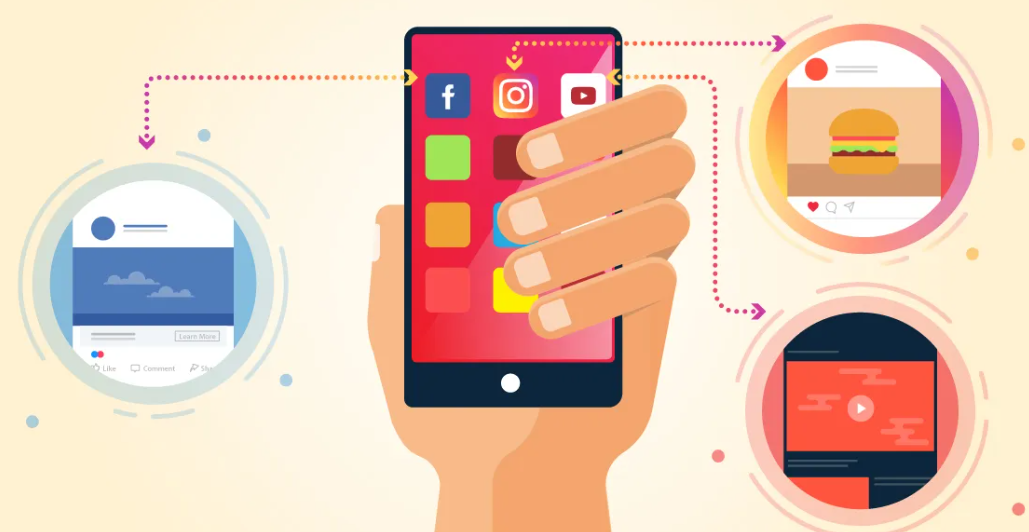
The social impact of technology is multifaceted, influencing communication, identity, and community structures. Digital platforms have revolutionized how individuals connect, but they also complicate traditional interactions. While these technologies foster belonging, they introduce significant concerns regarding privacy and mental health. Understanding this duality is crucial. What are the implications of this digital transformation on personal relationships and societal norms? The answers may reveal deeper challenges inherent in our increasingly connected world.
The Evolution of Communication in the Digital Age
As technology has progressed, so too has the manner in which individuals communicate, fundamentally transforming interpersonal interactions and societal dynamics.
Digital storytelling has emerged as a pivotal tool, enabling individuals to share experiences and narratives across vast distances. This shift fosters virtual interactions that transcend geographical barriers, allowing for diverse connections but also challenging traditional modes of communication and the authenticity of personal exchanges.
See also: Smart Energy Systems
The Role of Technology in Shaping Identity and Community
While technology has been a catalyst for unprecedented connections among individuals, it also significantly influences the formation of personal and collective identities.
The emergence of digital identity allows individuals to curate their self-presentation, often leading to the creation of online communities that reinforce shared beliefs and values.
These communities foster a sense of belonging, shaping both individual identities and broader societal narratives.
Challenges of Privacy and Data Security
Navigating the digital landscape presents significant challenges related to privacy and data security.
Frequent data breaches undermine user trust, revealing sensitive information without consent. As organizations increasingly rely on personal data for various purposes, the lack of robust security measures raises concerns over individual autonomy.
Users must be vigilant, advocating for stronger protections and greater transparency to safeguard their rights in this interconnected environment.
The Impact of Technology on Mental Health and Well-being
The pervasive presence of technology has transformed the landscape of mental health and well-being, influencing individuals’ psychological states in both positive and negative ways.
While social media can foster connections and community, it also contributes to digital addiction, leading to anxiety and depression.
This duality highlights the need for a balanced approach to technology use, promoting mental resilience and healthy online interactions.
Conclusion
In a world increasingly defined by digital connections, one might ironically wonder if the very tools designed to foster community are simultaneously eroding the essence of human interaction. As individuals navigate the dualities of online engagement and personal identity, the challenges of privacy and mental health loom large, prompting a critical reflection on technology’s paradoxical role. Ultimately, the quest for belonging in virtual spaces may lead to a profound isolation, highlighting the need for a balanced approach to digital life.