Filling spirits and other alcoholic beverages involves a different set of considerations than standard liquid filling. Alcohol content affects material compatibility, regulatory requirements govern fill accuracy and labeling, and premium bottle presentation often matters as much as functional performance. This guide walks distillers and bottlers through what makes a liquor filling machine distinct from general beverage filling equipment, what to evaluate before buying, and how to match a machine to your production scale and bottle format, so your equipment supports both compliance and brand presentation.
Why Liquor Filling Requires Purpose-Built Equipment
Alcohol is chemically more aggressive than water-based liquids, which means a liquor filling machine needs alcohol-compatible seals, gaskets, and wetted components to avoid degradation over time. Beyond material compatibility, most jurisdictions regulate alcoholic beverage fill volumes closely for tax and labeling purposes. In the US, the Alcohol and Tobacco Tax and Trade Bureau (TTB) sets fill volume and labeling standards that make fill accuracy a compliance issue rather than just a quality preference. Premium spirits brands also frequently use non-standard bottle shapes, requiring filling equipment flexible enough to handle custom glass without switching filling technology entirely.
See also: Dynamic Balancing That Protects Bearings from Early Failure
Main Types of Liquor Filling Machines
Gravity Filling Machines
Well suited to thin, free-flowing spirits like vodka or gin, using the natural downward flow of liquid from an elevated tank. Simple and cost-effective, though generally slower than pressure-based alternatives at high volumes.
Overflow Filling Machines
Fill bottles to a consistent visual level regardless of minor bottle shape or volume variation, commonly used for clear glass spirits bottles where a consistent, visible fill line matters for brand presentation.
Volumetric Piston Filling Machines
Use a piston to dispense a precise, fixed volume per cycle, offering higher fill accuracy independent of bottle shape variation, well suited to products with strict volume compliance requirements or higher-viscosity liqueurs.
Pressure/Vacuum Filling Machines
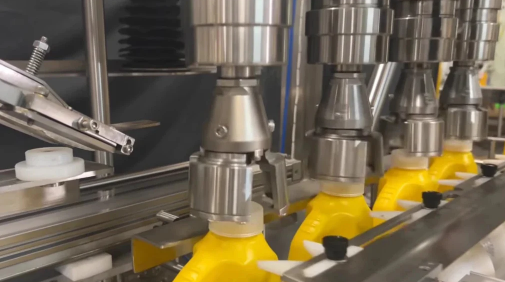
Use pressure or vacuum assistance to fill quickly and consistently at higher speeds, common in high-volume commercial spirits bottling where both speed and fill precision are priorities.
Comparing Liquor Filling Machine Types
| Machine Type | Best For | Fill Accuracy | Typical Speed |
| Gravity filler | Thin spirits (vodka, gin) | Moderate | Slower |
| Overflow filler | Clear bottles with visible fill line | High (visual consistency) | Moderate |
| Volumetric piston filler | Precise volume compliance, liqueurs | High | Moderate-Fast |
| Pressure/vacuum filler | High-volume commercial production | High | Fast |
Key Factors to Evaluate Before Buying a Liquor Filling Machine
Alcohol-Compatible Materials
Confirm all wetted components (seals, gaskets, tubing) are rated for extended alcohol contact to prevent degradation, leaching, or premature equipment failure.
Regulatory Fill Accuracy Requirements
Most jurisdictions specify allowable fill volume tolerances for taxed alcoholic beverages, often aligned with national weights and measures standards such as those maintained by NIST in the US. Confirm the machine’s accuracy rating meets your target market’s specific regulatory requirements before purchasing.
Bottle Shape Flexibility
Premium spirits often use custom or irregularly shaped bottles. Confirm the machine can handle your specific bottle geometry, particularly for overflow or level-sensing systems that depend on consistent bottle shape for accurate results.
Foaming and Carbonation Considerations
Certain liqueurs or flavored spirits can foam during filling; confirm the machine offers appropriate fill speed control or anti-foaming design if this applies to your product.
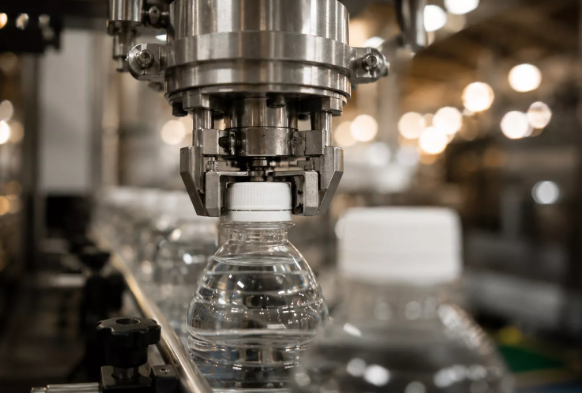
Integration With Corking or Capping Equipment
Confirm the filling machine integrates smoothly with your chosen closure method, whether that’s traditional corking, ROPP capping, or standard screw caps, in terms of line speed and physical handoff between machines. Equipment built to general packaging industry benchmarks, of the kind published by PMMI, tends to integrate more predictably with standard downstream capping lines.
Typical Liquor Filling Process
Bulk Spirit Storage/TankFilling Machine -Gravity/Overflow/Piston/PressureFill Level VerificationCorking/Capping StageLabeling & Batch Coding Finished Bottle Output
Fill level verification at this stage matters beyond quality control;under-filled bottles can trigger compliance issues with excise tax reporting, since duty in most jurisdictions is calculated based on declared volume per bottle.
Common Buying Mistakes to Avoid
Overlooking Material Compatibility for High-Proof Spirits
Higher-proof spirits are more chemically aggressive than lower-alcohol products, and seals or gaskets rated for general beverage use may degrade faster than expected. Always confirm material ratings against your specific alcohol content, not just a general “alcohol-compatible” label.
Choosing Overflow Fillers for Highly Irregular Bottles
Overflow and level-sensing systems work best with consistent bottle geometry. Brands using heavily sculpted or irregular glass often get better, more consistent results from volumetric piston filling instead, even though overflow systems are common for standard spirits bottles.
Ignoring Foaming Behavior During Testing
Some liqueurs and flavored spirits only reveal foaming issues at production speed, not during slow manual testing. Requesting a trial run at your intended line speed, with your actual formulation, helps catch this before it becomes a recurring production problem.
Matching Machine Type to Production Scale
Small craft distilleries producing limited runs often start with semi-automatic gravity or overflow fillers, since these require lower capital investment and offer enough flexibility for frequent recipe or bottle changes typical of a growing brand. As volume increases, many operations transition to volumetric piston fillers to gain tighter fill accuracy without sacrificing much speed, particularly useful once regulatory compliance and consistency across large batch runs become a bigger priority than flexibility alone.
Larger commercial distilleries running high-volume, standardized bottle formats generally benefit most from pressure or vacuum filling systems, which deliver both the speed and repeatable accuracy needed to keep pace with continuous production schedules. At this scale, the filling machine is typically integrated directly into a full bottling line alongside corking or capping, labeling, and case packing equipment, making compatibility with the rest of the line just as important as the filling mechanism itself.
Choosing the Right Liquor Filling Machine for Your Production
The right liquor filling machine depends on your spirit’s viscosity, your bottle’s shape consistency, your required fill accuracy for regulatory compliance, and your target production speed. Start by confirming alcohol-material compatibility and regulatory fill tolerances, then narrow your choice between gravity, overflow, piston, and pressure/vacuum systems based on your specific bottle format and volume needs. A supplier willing to run a trial fill with your actual spirit and bottle combination is generally the clearest indicator of whether their equipment is a genuine fit for your production line.