Once you’ve decided to move to automatic capping, the next decision which type of automatic system fits your product determines whether the investment actually solves your production bottleneck or just moves it somewhere else. This guide breaks down the main categories of automatic capping machines by mechanism and configuration, explains the tradeoffs between them, and gives you a practical framework for matching a machine type to your closure and volume needs.
Automatic Capping Machines by Capping Mechanism
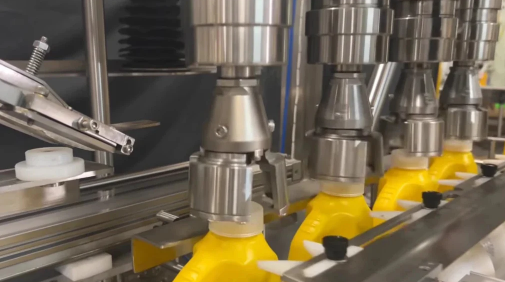
Automatic Chuck Cappers
Use rotating chuck heads to grip and torque each cap individually, offering precise, repeatable torque control. Well suited to closures with dispensing mechanisms, trigger sprayers, or flip-tops that are sensitive to over-tightening.
Automatic Spindle Cappers
Use continuously rotating belts or discs positioned along the conveyor to spin caps into place as containers pass through. Generally the fastest mechanism for standard screw caps without complex internal components, making them common on high-speed beverage and household product lines.
Automatic Snap Cappers
Apply downward pressure to secure press-fit or snap-on closures rather than using rotational torque, common for certain cosmetic, pharmaceutical, and food packaging applications using friction-fit lids.
Automatic ROPP Cappers
Roll aluminum caps onto bottle necks while simultaneously forming tamper-evident threads, standard equipment for spirits, wine, and certain pharmaceutical products requiring visible tamper evidence, an area where regulatory expectations from the Alcohol and Tobacco Tax and Trade Bureau (TTB) often shape closure requirements in the US.
See also: Dynamic Balancing That Protects Bearings from Early Failure
Automatic Capping Machines by Configuration
Inline Automatic Cappers
Move containers in a straight line through one or a small number of capping heads. Simpler to integrate into existing lines and generally more compact, making them well suited to moderate production volumes.
Rotary Automatic Cappers
Use a rotating turntable with multiple capping heads working simultaneously as containers move through sequential stations, achieving significantly higher throughput than inline systems, though at a higher equipment cost and larger footprint.
Monoblock Systems
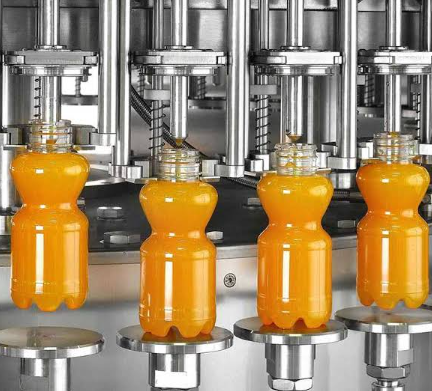
Combine filling and capping (and sometimes labeling) into a single integrated machine rather than separate connected units, reducing footprint and container handling points, common in high-volume beverage and liquid product manufacturing.
Comparing Machine Types
| Machine Type | Best For | Typical Speed | Relative Cost |
| Automatic chuck capper | Sensitive/dispensing closures | Moderate | Moderate |
| Automatic spindle capper | Standard screw caps, high speed | Fast | Moderate |
| Automatic snap capper | Press-fit/snap closures | Fast | Moderate |
| Automatic ROPP capper | Tamper-evident aluminum caps | Moderate-Fast | Higher |
| Inline configuration | Moderate volume, simpler integration | Fast | Lower-Moderate |
| Rotary configuration | High-volume continuous production | Very Fast | Higher |
| Monoblock (fill + cap combined) | High-volume liquid products | Very Fast | Highest (combined function) |
How to Choose the Right Type of Automatic Capping Machine
If Your Closure Is Sensitive to Over-Tightening
An automatic chuck capper generally offers the torque precision needed to avoid damaging dispensing mechanisms, trigger sprayers, or pump closures.
If You’re Running Standard Screw Caps at High Speed
An automatic spindle capper typically offers the best combination of speed and cost-effectiveness for straightforward threaded closures without complex internal components.
If Your Product Uses Press-Fit Lids
An automatic snap capper is designed specifically for this mechanism rather than a rotational torque system built for threaded caps.
If Tamper Evidence Is a Regulatory or Brand Requirement
An automatic ROPP capper is the standard solution for products like spirits or certain pharmaceuticals where visible tamper evidence is expected or required, consistent with Good Manufacturing Practice expectations outlined by the FDA for regulated categories.
If You’re Running Very High Volumes
A rotary or monoblock configuration typically delivers the throughput needed for large-scale continuous production, though inline systems remain more cost-effective for moderate volumes.
Decision Framework
Yes No, Simple Screw CapYesYesModerateVery HighIdentify Closure TypeTorque-SensitiveMechanism?Automatic Chuck Capper Automatic Spindle CapperPress-Fit Closure?Automatic Snap CapperTamper-Evident AluminumCap?Automatic ROPP Capper Required Throughput?Inline Configuration: Rotary or Monoblock Configuration
Machinery safety expectations across all these configurations are generally benchmarked against standards maintained by ISO, which is worth confirming regardless of which mechanism or configuration you ultimately choose.
Common Mistakes When Choosing a Machine Type
Prioritizing Speed Over Torque Precision
It’s tempting to default to the fastest available option, but a high-speed spindle capper applied to a torque-sensitive dispensing closure can cause more damage and rework than a slightly slower chuck capper matched correctly to the closure type.
Underestimating Future Volume Growth
Choosing an inline system based purely on current production volume, without accounting for realistic growth projections, sometimes leads to a costly early upgrade to rotary or monoblock equipment sooner than expected. Building modest headroom into your throughput planning avoids this.
Assuming ROPP Capping Is Only for Alcohol
Buyers outside the spirits and wine industry sometimes overlook ROPP capping as an option, even though certain pharmaceutical and specialty products also rely on it for tamper-evident presentation. Don’t rule it out based on industry association alone if tamper evidence matters for your product.
Matching Machine Type to Your Growth Stage
Operations just transitioning from manual capping typically get the most value from an inline chuck or spindle system, since it addresses the biggest labor and consistency gap without requiring the larger capital outlay of a rotary or monoblock configuration. As production volume climbs and a single inline system starts limiting overall line throughput, upgrading to rotary or monoblock equipment generally becomes the more cost-effective path, particularly for standardized, high-volume liquid products where the combined filling-and-capping efficiency of a monoblock system pays off fastest.
Bringing It Together
Choosing the right type of automatic capping machine comes down to two decisions working together: which mechanism matches your closure’s torque sensitivity, and which configuration matches your required throughput. Getting either piece wrong pairing a delicate closure with an imprecise mechanism, or under-sizing configuration for future volume is what turns an automation investment into a new bottleneck instead of a solved one. Testing with your actual cap and container combination before finalizing a purchase remains the most reliable way to confirm the right fit.