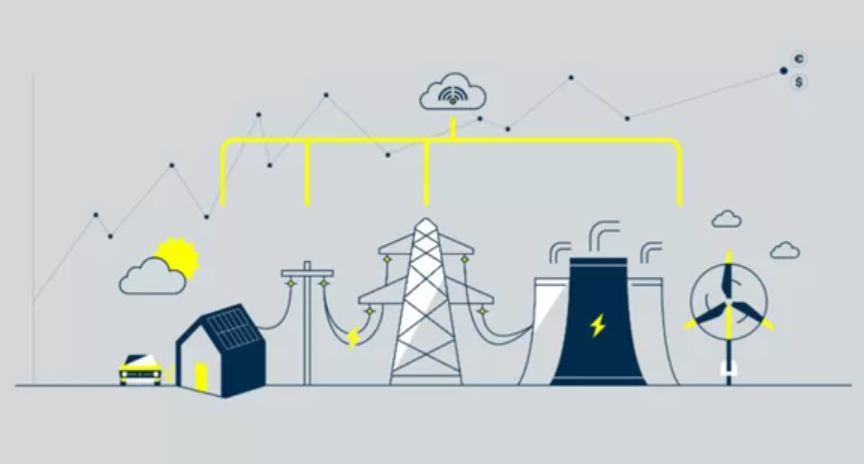
Smart energy systems signify a significant evolution in energy management practices. They utilize advanced technologies to optimize energy distribution and consumption. Real-time data exchange facilitates better integration of renewable sources, enhancing system efficiency. However, the adoption of these systems is not without hurdles. Technical, regulatory, and financial challenges persist. Understanding the implications of these barriers is crucial for stakeholders aiming to navigate the complexities of future energy landscapes. What strategies might emerge to address these obstacles?
Understanding Smart Energy Systems
As the global demand for energy continues to rise, understanding smart energy systems becomes increasingly critical for achieving sustainable energy management.
Smart grid technology facilitates real-time data exchange, enhancing operational efficiency. Furthermore, it supports renewable integration, allowing diverse energy sources to coexist within the grid.
This synergy is essential for maximizing energy independence and minimizing environmental impact, aligning with the aspirations of a freedom-seeking society.
See also: Role of Technology in Sustainability
Key Benefits of Smart Energy Systems
While the transition to smart energy systems presents numerous challenges, the benefits they offer are substantial and multifaceted.
Enhanced renewable integration facilitates a more sustainable energy grid, promoting lower carbon emissions.
Additionally, these systems optimize energy efficiency, enabling consumers and businesses to reduce costs while maintaining reliable energy access.
Ultimately, smart energy systems empower stakeholders with greater control over their energy consumption and sustainability efforts.
Challenges in Implementing Smart Energy Systems
Implementing smart energy systems involves navigating a complex landscape of technical, regulatory, and financial challenges.
Regulatory hurdles often impede progress, complicating compliance with evolving standards.
Furthermore, technological integration requires harmonizing diverse systems and platforms, which can strain existing infrastructure.
Addressing these challenges is crucial for achieving the desired efficiency and sustainability, ultimately enabling a more liberated energy landscape for consumers and producers alike.
The Future of Energy Consumption and Management
What innovations will shape the future of energy consumption and management?
The integration of renewable sources is vital, enabling decentralized energy systems that empower consumers.
Advances in energy efficiency technologies will optimize resource use, fostering sustainability.
Through smart grids and real-time data analytics, households and businesses can manage their energy consumption dynamically, promoting autonomy and reducing reliance on traditional energy infrastructures while minimizing environmental impact.
Conclusion
In conclusion, smart energy systems herald a new era reminiscent of the industrial revolution, where innovation reshapes the landscape of energy management. By harnessing real-time data and integrating renewable sources, these systems not only empower consumers but also combat climate change. However, the road to widespread adoption is fraught with challenges reminiscent of Prometheus’s fire—both a gift and a burden. The successful navigation of these obstacles will determine the sustainability and resilience of future energy infrastructures.